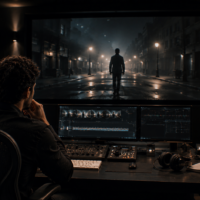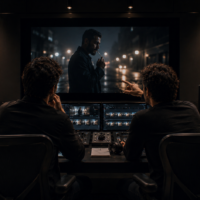

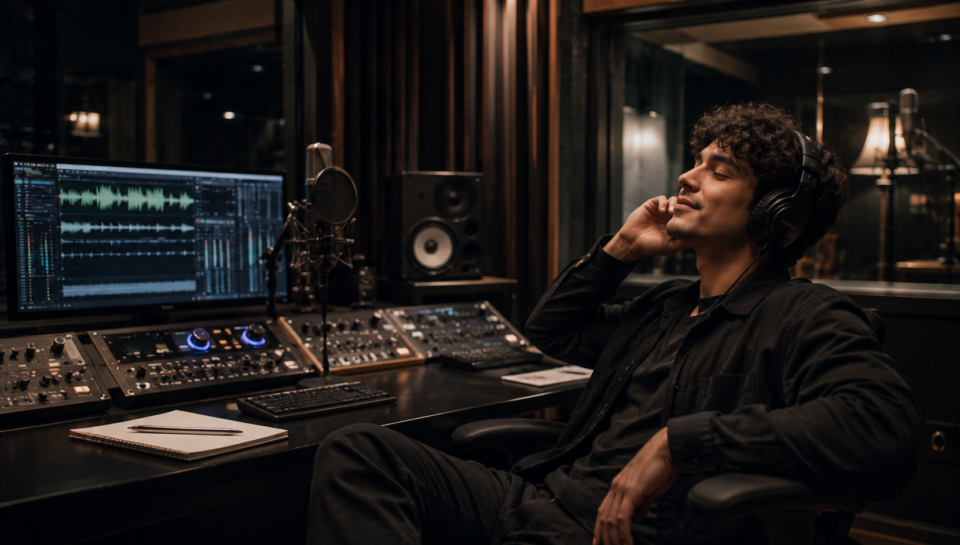
A great song begins long before the final master. It starts with an idea, a melody, a lyric, a rhythm, or a sound that a singer, songwriter, producer, or composer wants to bring to life. Turning that idea into polished music requires more than good equipment it requires creative direction, careful recording, thoughtful production, and attention to every detail of the audio.
That is where a professional audio and music studio can make a real difference. The right environment gives creators the space, tools, and technical support needed to shape raw ideas into finished music. For artists looking for a creative partner, RBSH Pixel and RBSH Studio can be positioned around this journey: from the first recording to a refined, release-ready sound.
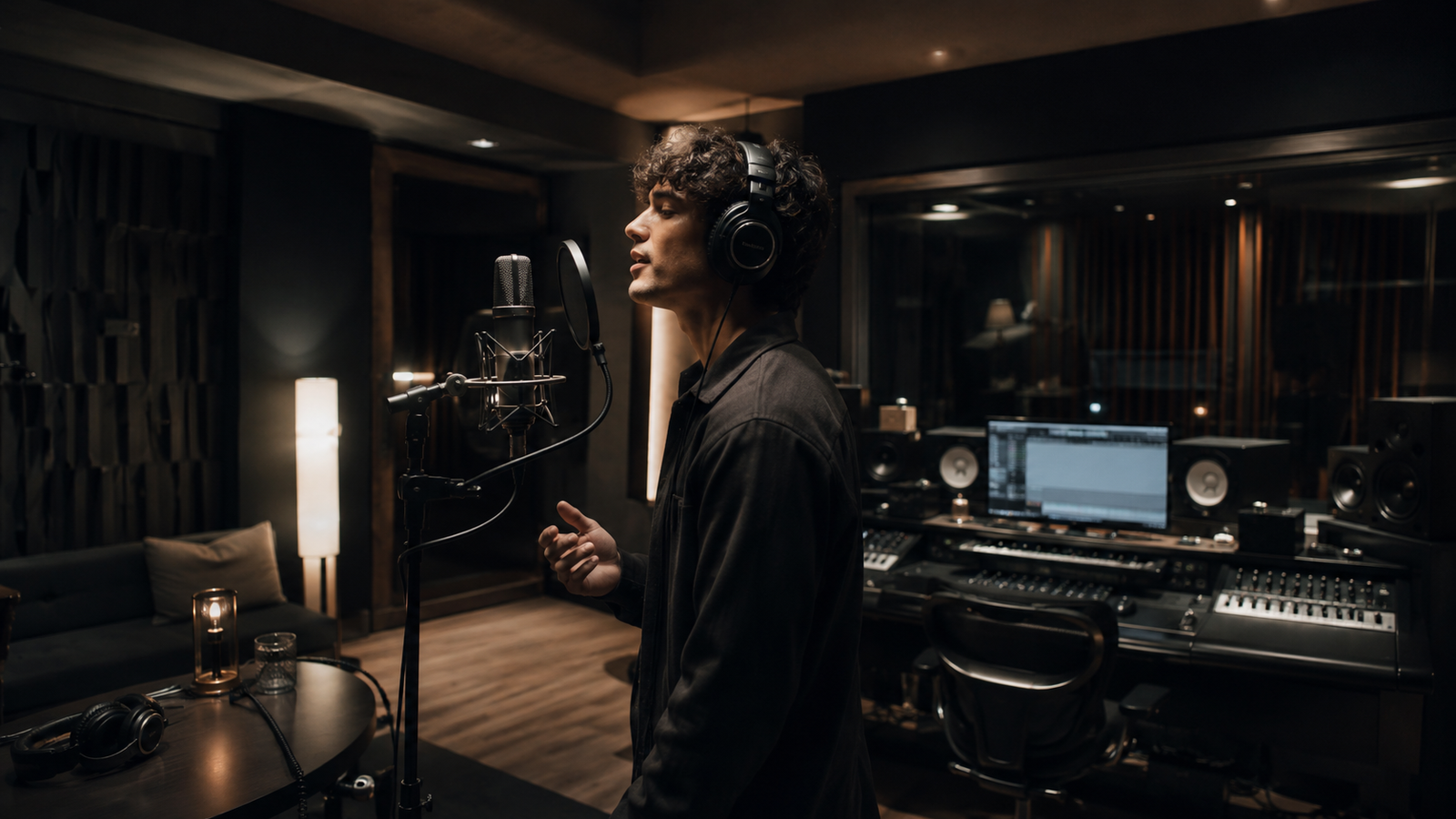
Why the Right Audio & Music Studio Matters
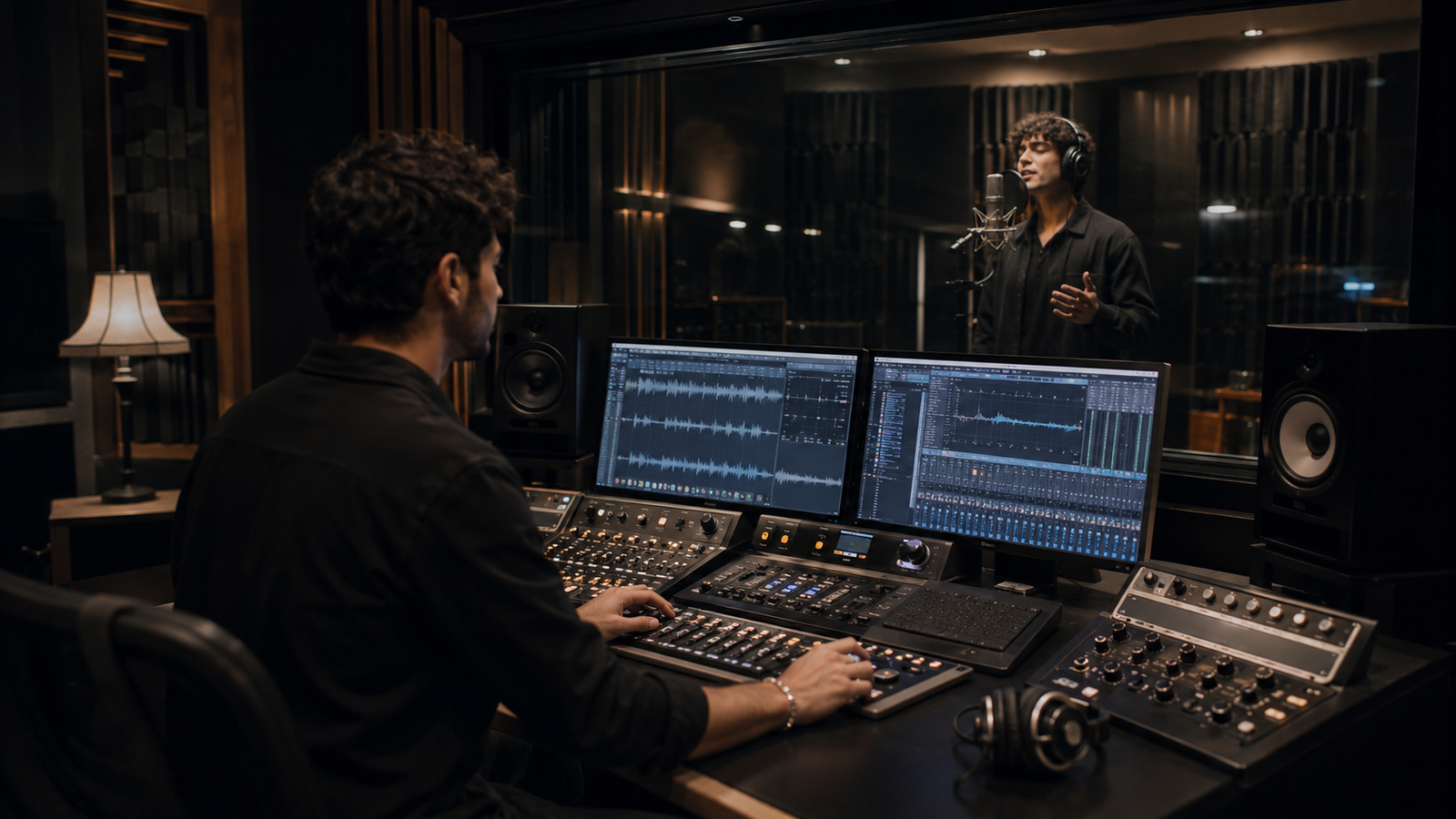
Recording music is not simply about pressing record. The room, microphones, monitoring, acoustics, arrangement, and recording technique can all influence the final result. A professional studio environment helps creators focus on performance while technical details are handled with precision.
For singers, this can mean capturing vocals with clarity and presence. For songwriters and composers, it can provide a focused environment to develop ideas. Music producers can use the studio as a space to experiment with arrangements, textures, transitions, and sonic direction.
What Happens Inside a Professional Music Studio?
Every project is different, but a typical studio workflow moves through several important stages.
1. Planning the Sound
Before recording begins, the creative direction should be clear. The team may discuss the song’s mood, arrangement, instrumentation, vocal approach, references, and intended audience. This helps turn a broad musical idea into a practical recording plan.
2. Recording the Performance
Recording is where the artist’s interpretation becomes the foundation of the track. Vocalists need an environment where they can perform naturally and confidently. Instrumentalists and composers need flexibility to capture the character of their performance.
Good recording is not about removing personality. It is about preserving it accurately.
3. Editing and Production
Once recordings are captured, the project can be shaped through editing and production. Timing can be refined, unwanted noise addressed, layers organized, and musical elements balanced. Different sounds, arrangements, effects, and transitions can also change the emotional character of a track.
Who Can Benefit from an Audio & Music Studio?
A professional studio can support creators at different stages of their musical journey.
Singers can record vocals in a controlled environment designed to capture performance with detail and consistency.
Songwriters can develop demos, record ideas, and transform written concepts into audible musical pieces.
Music producers can work on arrangements, sound design, editing, and production decisions in a focused creative setting.
Music composers can build compositions for songs, visual projects, performances, or other creative applications.
From Raw Recording to a Finished Track
One of the biggest differences between a basic recording and a polished production is the attention given to the entire audio journey. A strong performance can lose impact if the recording is poorly captured or the production lacks balance. Similarly, technically clean audio may still feel uninspiring if the creative direction is weak.
Recording captures the performance. Production shapes the musical identity. Editing improves consistency. Mixing creates balance, space, and clarity. Mastering prepares the final track for a consistent listening experience across playback environments.
When these stages work together, the result feels intentional rather than simply recorded.
Creating an Environment for Better Music
A studio is more than a room filled with equipment. It is a creative environment.
Artists need space to experiment, make mistakes, try another take, change an arrangement, or explore an unexpected idea. A supportive studio atmosphere can make that process more productive.
For RBSH Pixel, this creative approach can be valuable when audio is part of a larger visual identity. Music, sound, video, photography, and digital content can work together to create a consistent creative direction.
Why Creators Should Think Beyond the Recording Session
Choosing an audio and music studio should not be based only on the recording moment. Think about the complete project.
Consider whether the environment supports your creative process, how clearly you can communicate your musical vision, whether the workflow suits your project, and whether the final production reflects the quality you want your audience to experience.
RBSH Pixel: Building a Creative Space Around Your Sound
For singers, music producers, songwriters, and composers, the right studio can become an important part of the creative process. RBSH Pixel can bring a visually minded, production-focused perspective to projects where sound needs to feel polished, purposeful, and connected to a broader creative identity.
With RBSH Studio, the opportunity is not simply to record audio. It is to create an environment where musical ideas can be explored, refined, and shaped into work that is ready to be heard.
Conclusion
Great music deserves an environment that respects both the artist and the craft. From recording an inspired vocal to developing a complete composition, an audio and music studio can provide the foundation for turning creative ideas into finished work.
Whether you are a singer preparing a new release, a songwriter developing your next track, a producer refining a production, or a composer building a new piece, the studio you choose can influence the creative journey. With RBSH Pixel and RBSH Studio, that journey can begin with a clear idea and move toward sound that feels intentional, refined, and ready to connect with an audience.