
A short film does not need hours to make an audience feel something. Sometimes, a few carefully crafted minutes are enough to introduce a character, build tension, create laughter, explore a relationship, or leave viewers thinking long after the screen goes dark.
What makes a short film memorable is not simply its duration. It is the Story, the characters, the visual language, the pacing, and the emotions behind every scene. Through thoughtful story telling, filmmakers can explore genres ranging from crime thriller and action to comedy, drama, and romance without needing the scale of a feature-length production.
For RBSH Pixel and RBSH Studio, short-film production represents an opportunity to bring creative ideas into a cinematic environment where stories can be developed, captured, and presented with purpose.
What Makes a Short Film Different?
A short film has limited time to establish its world and connect with its audience. That limitation can actually become one of its greatest creative strengths.
Instead of stretching a storyline across multiple subplots, a short film can focus on one powerful idea, one important moment, or one character’s journey.
The filmmaker needs to understand what the audience should feel, understand, or question by the end. Every scene should contribute to that purpose.
A strong short film can be simple in concept while still being emotionally complex.
Story Is at the Heart of Every Short Film
Technology can improve the way a film looks, but it cannot replace a meaningful story.
Before thinking about cameras, locations, or visual effects, filmmakers need to understand the central idea. What is the film really about? Who is the protagonist? What does the character want? What stands in their way? What changes by the end?
These questions help shape the foundation of the screenplay.
For the viewer, the story does not necessarily have to be complicated. A familiar situation can become compelling when it is presented from an unexpected perspective.
The Power of Story Telling
Story telling is how a filmmaker turns an idea into an experience.
Visual storytelling can communicate information without dialogue. A character’s expression, a carefully framed object, an empty room, a change in lighting, or a simple camera movement can reveal something about the story.
Sound can be equally powerful. Silence can create anticipation. A sudden sound can increase tension. Music can transform the emotional meaning of a scene.
The strongest short films understand that storytelling happens through the combination of image, performance, sound, pacing, and atmosphere.
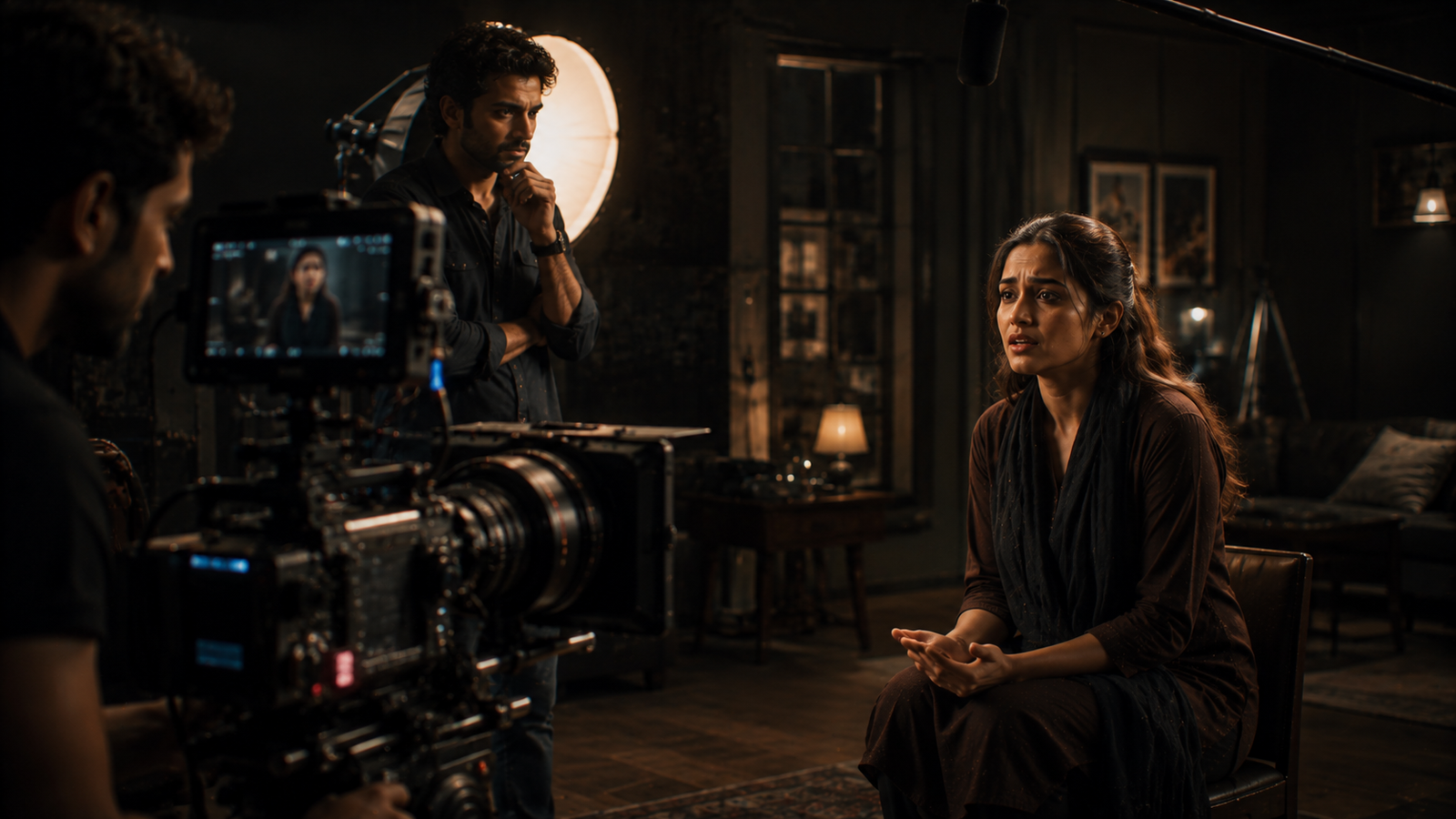
Exploring Different Short Film Genres
One of the exciting things about short films is the freedom to experiment with different genres.
Crime Thriller
A crime thriller can build suspense around a mystery, investigation, secret, or dangerous decision. Because the runtime is limited, the filmmaker can focus on a single incident and steadily increase tension toward a reveal or unexpected ending.
Comedy
Comedy relies heavily on timing. A short film can build an entire comedic situation around an awkward encounter, misunderstanding, unexpected character, or everyday problem.
The key is knowing when to deliver the moment—and when to let the audience anticipate it.
Action
An action short film does not necessarily need massive set pieces. A tightly choreographed confrontation, chase, escape, or high-pressure situation can create intensity when the camera work, editing, performance, and sound are carefully coordinated.
Drama
Drama often works through character and emotion. A short film can capture a difficult decision, personal conflict, family relationship, or life-changing moment without explaining every detail.
Romance
Romance can find powerful material in small moments: a conversation, an unexpected meeting, a missed opportunity, or two characters discovering something about each other.
The shorter format can make these moments feel intimate and focused.
Why Visual Direction Matters
The same story can feel completely different depending on how it is filmed.
Camera angle, framing, movement, lighting, production design, costumes, and locations all contribute to the visual identity of a short film.
A crime thriller might benefit from controlled shadows and tighter compositions. A comedy could use brighter, more open visuals. A romance might emphasize intimacy and softer visual relationships between characters.
This is where creative direction becomes essential. The visual choices should support the emotional purpose of the story rather than simply look impressive.
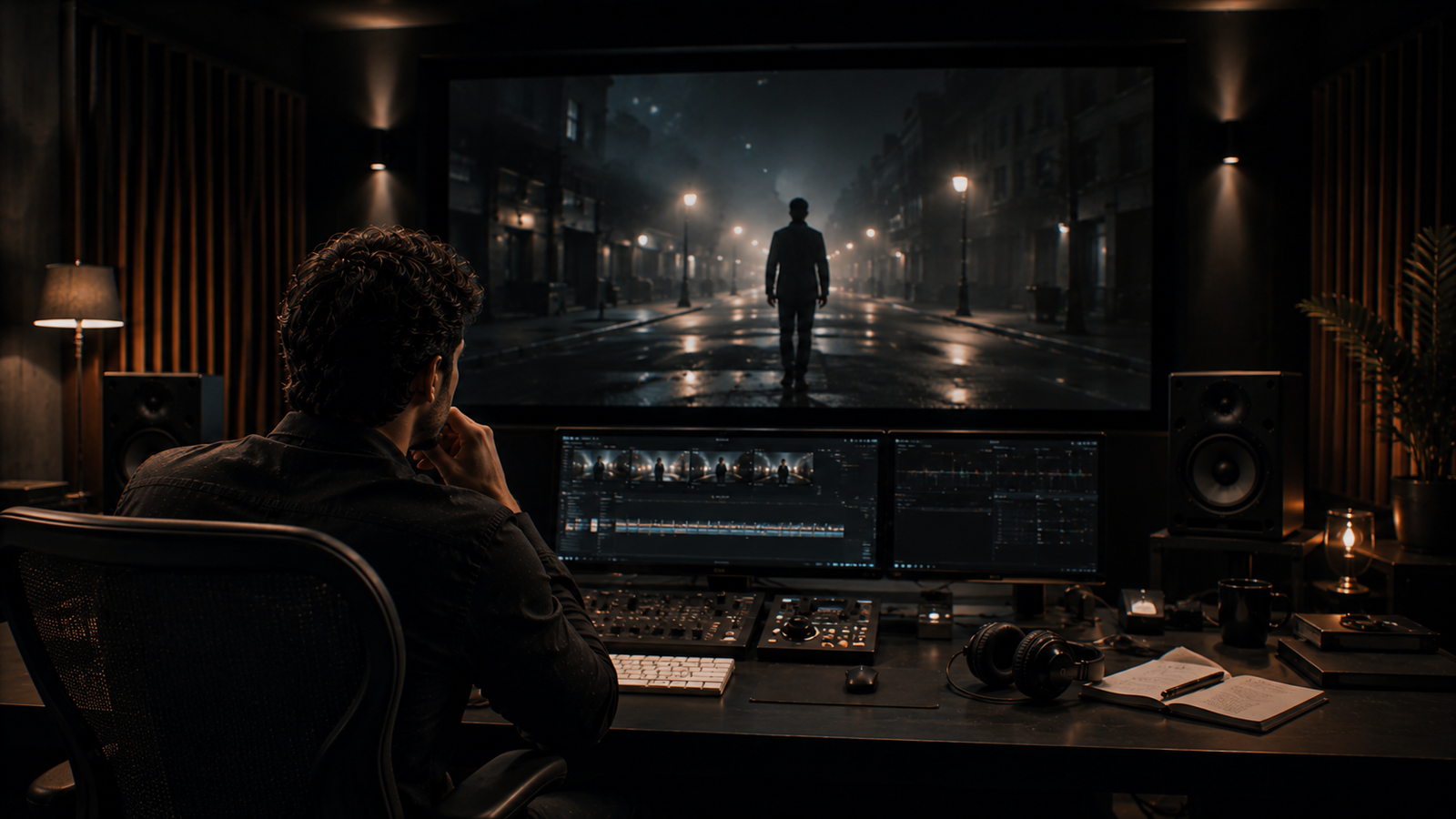
From Script to Screen
Creating a short film involves several connected stages:
Idea → Script → Casting → Pre-Production → Production → Editing → Sound → Final Film
The process begins with an idea but develops through collaboration.
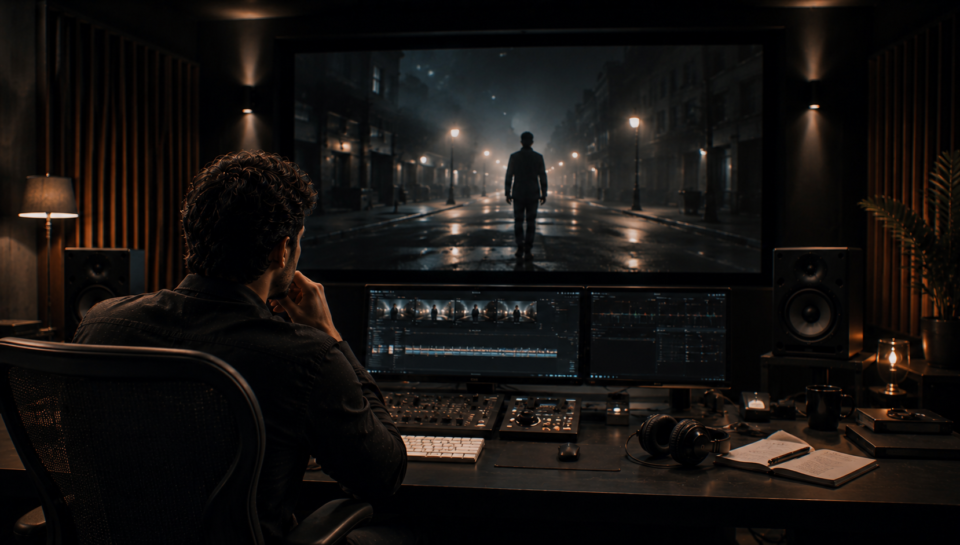
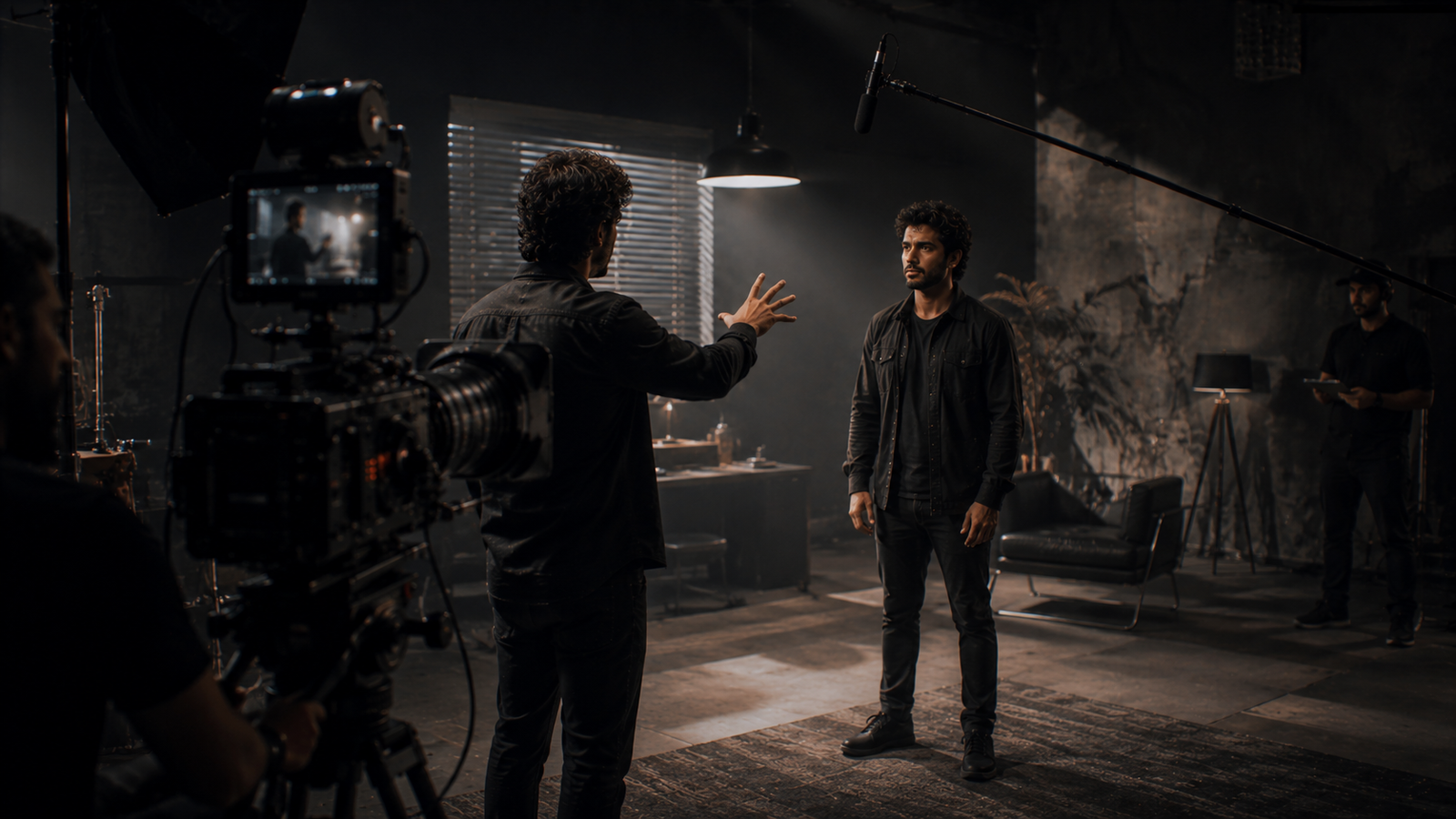
Actors bring characters to life. Directors shape performances and visual decisions. Cinematographers translate the script into images. Production teams organize the practical elements. Editors build the final rhythm, while sound and music help establish atmosphere.
Every department contributes to the audience’s final experience.
Why a Professional Studio Environment Helps
Not every scene needs to be filmed inside a studio. However, a controlled production environment can give filmmakers greater flexibility for specific scenes, interviews, dialogue sequences, controlled lighting setups, or creative experiments.
A professional studio can also provide a focused space where filmmakers can work through visual ideas without unnecessary distractions.
For RBSH Pixel, the studio environment can become a creative foundation for developing original short-film concepts across genres from drama and romance to comedy, action, and crime thriller storytelling.
Short Films Can Give New Voices a Platform
Short films are also an accessible creative format for emerging filmmakers and performers.
A compelling short can demonstrate a director’s approach to storytelling, an actor’s performance ability, a cinematographer’s visual style, or a writer’s ability to create memorable characters and situations.
For audiences, this creates an opportunity to discover different perspectives and filmmaking styles.
For creators, it provides a way to experiment, learn, collaborate, and build a body of creative work.
RBSH Pixel: Creating Space for Stories
A short film begins with imagination, but bringing it to the screen requires a combination of planning, collaboration, performance, and technical execution.
RBSH Pixel and RBSH Studio can provide a creative environment for filmmakers and production teams looking to develop visual stories with a cinematic approach.
Whether the concept is a tense crime thriller, a light-hearted comedy, an emotional drama, an action-driven story, or a romantic narrative, the objective remains the same: create a film that gives the audience a reason to keep watching.
Conclusion
A short film may be short in duration, but its creative possibilities are anything but small.
With a strong Story, purposeful story telling, memorable characters, thoughtful visual direction, and carefully crafted sound, even a few minutes can create tension, laughter, emotion, or lasting curiosity.
For filmmakers and viewers alike, the beauty of the short-film format lies in its ability to say something meaningful without saying everything.
And with a creative space such as RBSH Pixel and RBSH Studio, those ideas can move from a simple concept on the page toward a story that audiences can finally see and experience.