
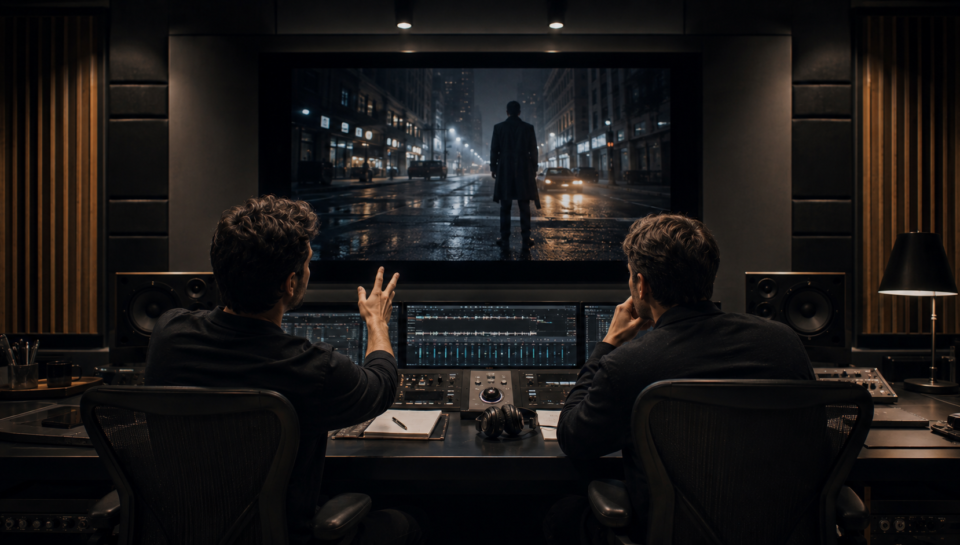
Post-production is where a film, video, commercial, music project, or digital production takes its final shape. Once filming and recording are complete, hours of footage, dialogue, music, sound effects, and creative decisions still need to be brought together into one cohesive experience.
For a video editor, sound effects artist, audio editor, filmmaker, director, producer, and even the wider cast and crew, this stage can determine how effectively the original vision reaches the audience. From refining individual frames to creating an immersive audio environment, professional post-production transforms raw material into polished content.
For creative teams looking for a dedicated environment, RBSH Pixel and RBSH Studio can serve as a space where visual storytelling, Audio, and Music come together with a focused production workflow.
Why Is Post-Production So Important?
Production captures the story. Post-production gives that story its final identity.
Even a well-shot project can feel incomplete without careful editing, sound design, colour refinement, music, and finishing. Post-production allows creative teams to remove distractions, improve pacing, strengthen emotional moments, and create continuity between individual shots.
It is also where different departments finally converge. Footage from the camera team, performances from the cast, dialogue recordings, music, sound effects, and the director’s creative vision must work together as one finished piece.
What Does Post-Production Include?
Post-production is not a single task. It is a combination of creative and technical processes.
Video Editing
Video editing establishes the rhythm of the final production. Editors review footage, select the strongest takes, arrange scenes, refine transitions, and build a narrative that keeps the audience engaged.
A skilled editor does more than cut unwanted footage. They understand timing, continuity, performance, visual rhythm, and storytelling. A pause can create tension, while a faster sequence can increase energy.
Audio Editing
Clear and balanced audio is essential to professional video.
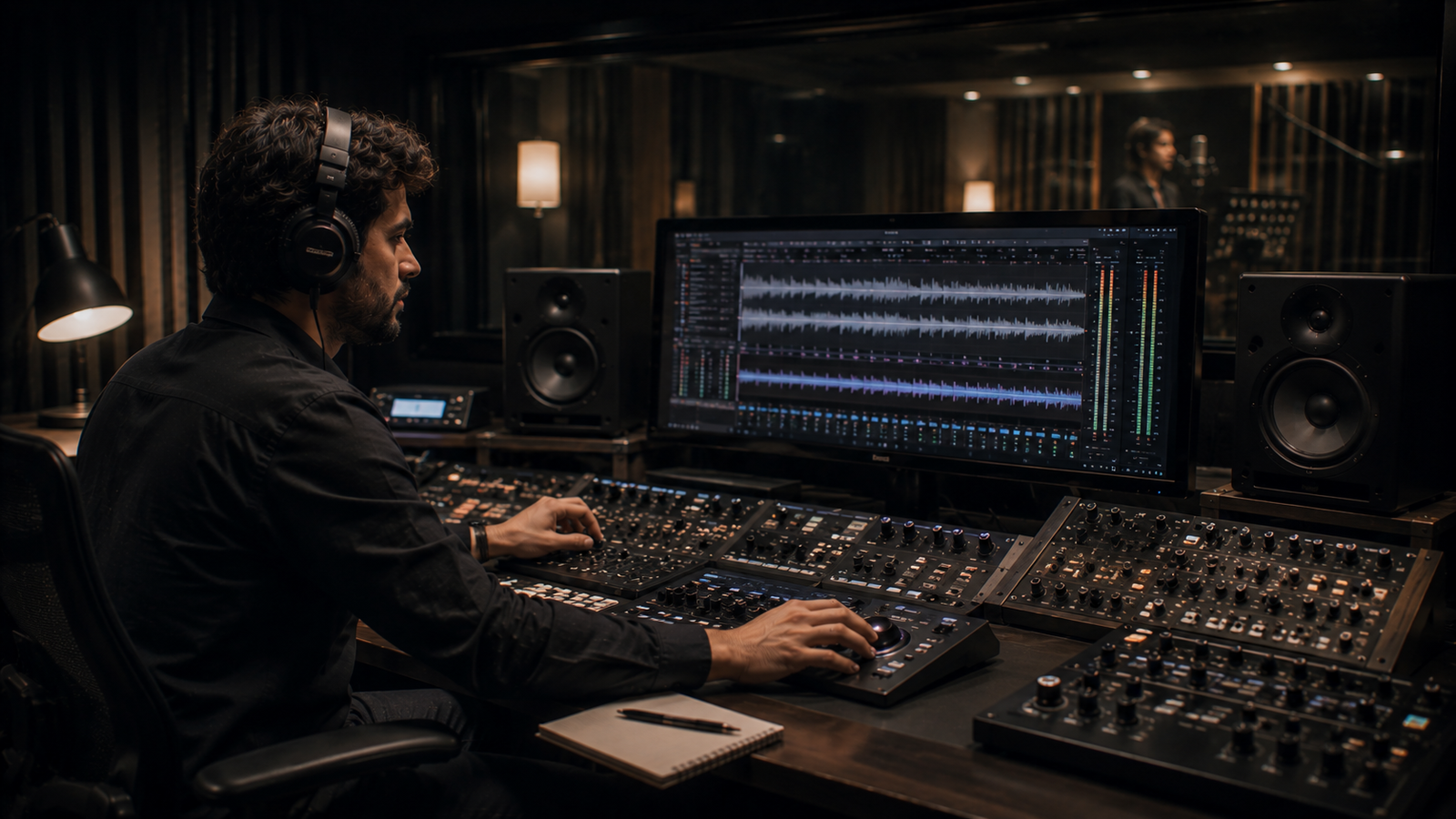
Audio editors work with dialogue, room tone, recordings, music, and other elements to create a clean and coherent soundtrack. Unwanted noise can distract viewers, while inconsistent dialogue levels can make a production difficult to follow.
Careful Audio editing helps ensure that the soundtrack supports rather than competes with the visual story.
Sound Effects & Sound Design
Sound effects can make visual moments feel more convincing and immersive.
Footsteps, doors, vehicles, environmental sounds, movement, impacts, atmosphere, and subtle background details can all contribute to the sense of place and realism.
Sound design can also be creative rather than purely realistic. Carefully selected or designed sounds can build suspense, emphasize an action, or change the emotional character of a scene.
The Role of Music in Post-Production
Music can dramatically influence how an audience experiences a scene.
A quiet musical layer can support an emotional moment. A stronger rhythm can create energy. A carefully timed musical transition can help move the audience from one sequence to another.
The challenge is balance. Music should complement the story rather than overpower dialogue or important sound effects. Editors, directors, producers, and audio teams often need to consider the relationship between music, dialogue, effects, silence, and ambient sound.
The strongest results usually come when these elements are considered as parts of one soundtrack rather than isolated components.
Post-Production for Filmmakers, Directors & Producers
For filmmakers, directors, and producers, post-production is an opportunity to refine the project beyond what was possible during the shoot.
The edit can reveal new storytelling possibilities. A different take may create a stronger emotional beat. A change in pacing can alter the tension of a sequence. Sound and music can give additional meaning to an otherwise simple visual.
This makes communication especially important.
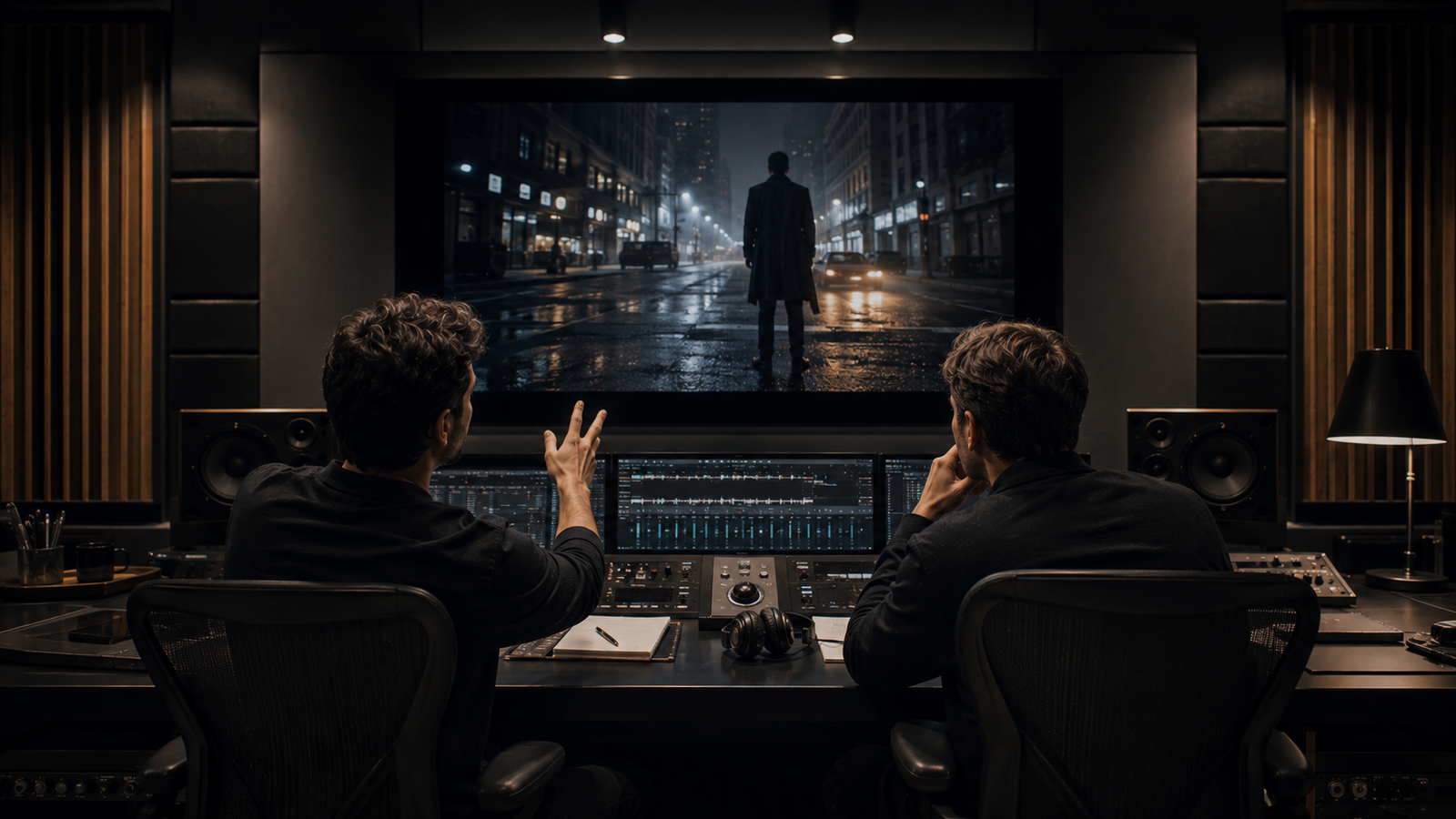
Directors need to communicate their creative intent. Producers need to maintain the project’s practical objectives. Editors need to understand the story. Audio professionals need to understand how the soundtrack should interact with the visuals.
When everyone works from the same creative direction, the post-production process becomes more efficient and purposeful.
Why a Professional Post-Production Environment Matters
Post-production often involves long periods of concentrated work. The working environment therefore matters almost as much as the tools being used.
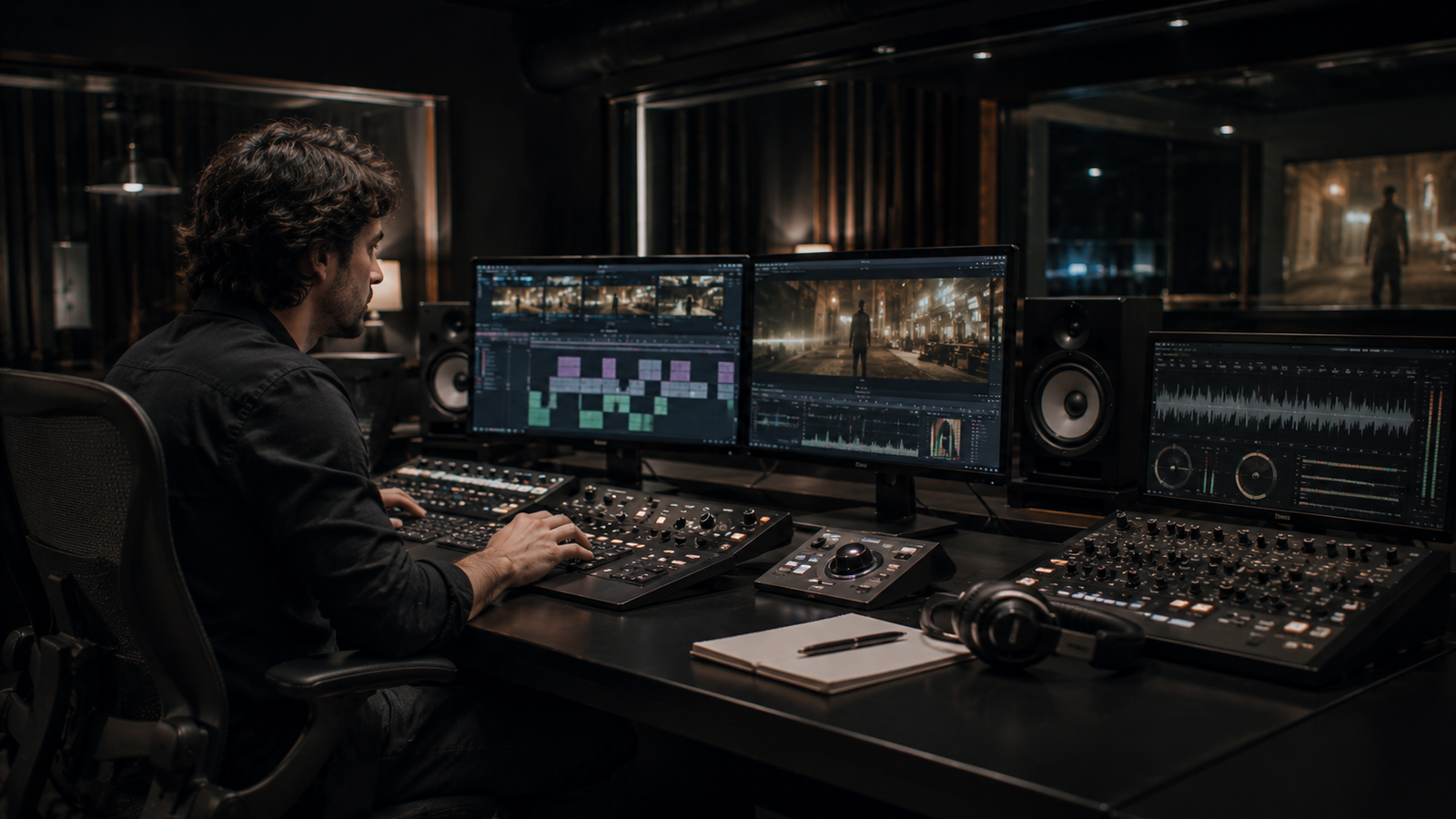
A professional environment can provide a focused space for reviewing footage, editing sequences, refining audio, developing sound effects, and making detailed creative decisions.
For RBSH Pixel, this creates an opportunity to bring visual and audio workflows together. RBSH Studio can be positioned as part of a broader creative ecosystem where filmmakers and production teams can focus on turning raw material into finished content.
From Raw Footage to a Finished Production
A successful post-production workflow can be thought of as a journey:
Raw Material → Editing → Audio & Sound Design → Music → Refinement → Final Output
Each stage contributes something different.
Editing creates structure. Audio editing improves clarity. Sound effects build atmosphere. Music adds emotional direction. Final refinement ensures that these elements work together without competing for attention.
The objective is not simply to make a project look or sound polished. It is to make every creative decision feel intentional.
Collaboration Makes Post-Production Stronger
Post-production is rarely an isolated process. It involves collaboration between editors, directors, producers, audio professionals, composers, sound designers, and other members of the production team.
The cast and crew also play an important role because the footage and recordings they create become the foundation of the final piece.
A collaborative workflow allows teams to identify problems earlier, explore creative alternatives, and maintain consistency throughout the project.
RBSH Pixel: A Creative Space for the Finishing Stage
The final stages of a production deserve the same level of attention as the shoot itself. Whether the project involves a film, commercial, music video, branded production, or other visual content, post-production is where separate creative elements become one experience.
With RBSH Pixel and RBSH Studio, creative professionals can approach post-production with a focus on visual storytelling, Audio, Music, and detailed finishing.
For video editors, sound-effects professionals, audio editors, filmmakers, directors, producers, and production teams, the goal is simple: take the material captured during production and shape it into something that is ready for its audience.
Conclusion
Post-production is where the final version of a creative project comes to life. Editing determines the flow, sound effects create atmosphere, audio editing improves clarity, and music helps shape emotion.
When these elements are carefully brought together, the result can feel seamless, engaging, and purposeful.
For teams seeking a focused creative environment for this important stage, RBSH Pixel and RBSH Studio can provide the foundation for turning raw footage and recordings into a finished production that reflects the original creative vision.